What is Squalane? A Complete Guide to Squalane, Your Body’s Best Moisturizer

If you’ve ever wondered what squalane is, what squalane does for your skin, or how squalane differs from squalene, you’re in the right place.
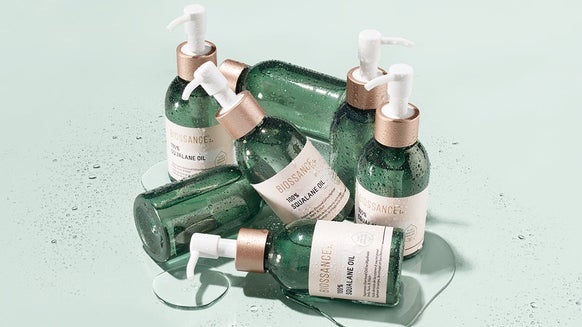
At Biossance, squalane has been the heart of our skincare since the very beginning. There is no ingredient more fundamental to our formulas than squalane. Our groundbreaking 100% Squalane Oil is the first product we ever launched, and this versatile ingredient remains the cornerstone of our formulas today.
Squalane was foundational to Biossance from the beginning and remains foundational across our portfolio of clinically proven, efficacious skincare products. Our shark-free, barrier-supporting squalane puts our mission into action. It’s one of the ways we show love for our planet and its oceans while caring for your skin.
But despite squalane’s popularity, there is still plenty of confusion surrounding this multitasking moisturizer. So, let’s take a closer look at what squalane is, the difference between squalane and squalene, where squalane comes from, what it does for the skin, and how to use it in your skincare routine.

$34.00
What Is Squalane?
Squalane is a lightweight moisturizing lipid that helps replenish the skin’s lipid layer and support its moisture barrier. Known for its silky texture, squalane helps leave skin feeling soft, smooth, supple, and nourished without a heavy or greasy finish.
To understand squalane, it helps to start with squalene.
What Is Squalene?
Squalene is a lipid naturally produced by the human body and found in skin sebum. It is also naturally present in certain plants and animals. Our bodies produce less squalene as we age. Because squalene is one of the lipids naturally found in skin, changes in its levels may contribute to changes in skin moisture and suppleness over time.
Squalane is the more stable, hydrogenated form of squalene used in skincare. Hydrogenation makes squalane more resistant to oxidation, allowing it to provide moisturizing benefits in a stable form that works well in cosmetic formulations.
What Does Squalane Do for Skin?
Squalane gives skin that plump, ultra hydrated, youthful glow by replenishing the skin’s lipid layer, supporting the skin’s moisture barrier while providing lightweight, long-lasting moisture.
Think of your skin barrier as the outer protective layer of your skin. It helps minimize moisture loss while helping protect your skin from external irritants. Lipids play an important role in maintaining this barrier, and squalene is one of the lipids naturally found in skin.
When applied topically, squalane acts as an emollient, helping soften and smooth the skin while supporting a healthy-looking moisture barrier.
The result is skin that feels:
- Hydrated
- Soft and smooth
- Supple
- Nourished
Comfortable
Squalane vs. Squalene: What Is the Difference?
The names are nearly identical, but there is an important difference between squalane and squalene.
Squalene is a lipid naturally produced by your body and found in human sebum. It is also found in certain plants and animals.Squalane is the hydrogenated, more stable form of squalene commonly used in skincare. Hydrogenation helps make squalane more resistant to oxidation, which is important when creating stable cosmetic formulations.
Is Squalane Natural?
Squalane can be derived from plant-based sources, including olives and sugarcane. Historically, squalene used in some beauty products was sourced from shark liver, raising environmental concerns because sharks play important roles in marine ecosystems.
Today, plant-derived squalane offers a shark-free alternative.
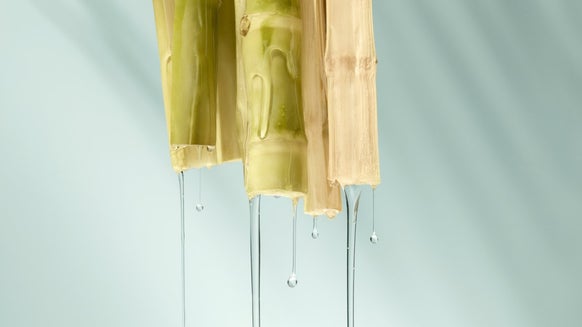
At Biossance, our squalane is derived from renewable Brazilian sugarcane and produced using biotechnology and fermentation. This allows us to create a consistent, shark-free ingredient for use in skincare.
Where Does Squalane Come From?
Squalane can come from several different sources. Understanding its sourcing story can help you make more informed skincare choices.
Historically, squalene used in some cosmetic products was sourced from shark liver. Sharks are important parts of marine ecosystems, and harvesting them for cosmetic ingredients has raised significant environmental concerns. Biossance was founded with a different approach: creating effective, high-performance squalane without relying on sharks.
Squalane can also be derived from olives, often using by-products of olive oil production. Olive-derived squalane provides a plant-based alternative to animal-derived sources. However, olive-derived squalane can be less stable and is susceptible to oxidation, which can impact its performance and shelf stability over time. Because olive production depends on agricultural conditions and harvests, its supply chain is also connected to seasonal and environmental factors.
Biossance uses renewable Brazilian sugarcane as the starting material for its pure squalane. Through biotechnology and fermentation, we create squalane in a controlled manufacturing environment. This approach allows us to produce a highly consistent ingredient while creating a shark-free alternative to traditionally sourced squalene. It is also the only type of squalane approved by the National Eczema Association.
Why Does the Source of Squalane Matter?
Not all squalane has the same sourcing story. When choosing a squalane product, look for brands that clearly disclose where their ingredient comes from and how it is produced.
Biossance’s squalane is derived from renewable Brazilian sugarcane and produced through biotechnology and fermentation. This controlled process is designed to deliver consistency in performance, color, odor, and feel from batch to batch.
How Does Squalane Support the Skin Barrier?
Your skin’s natural moisture barrier is made up of skin cells and lipids, including naturally occurring squalene. These lipids help hold skin cells together and play an important role in maintaining the barrier. A healthy skin barrier helps minimize moisture loss and protects skin from environmental stressors. When applied topically, squalane can help replenish the skin’s lipid layer, supporting skin that feels hydrated, comfortable, soft, and smooth.
Is Squalane Good for All Skin Types?
Yes! Squalane is a lightweight moisturizing ingredient that can work well across many skin types. Biossance’s 100% Squalane Oil is non-comedogenic, meaning it has been tested not to clog pores. It has also been clinically tested on sensitive skin.
100% Squalane Oil is:
- Non-comedogenic
- Clinically tested on sensitive skin
- Recognized by the National Eczema Association
- Leaping Bunny certified
- Fragrance-free
Squalane can be especially useful when skin feels dry, tight, rough, or uncomfortable. As an emollient, squalane helps soften and smooth the skin while supporting the skin’s moisture barrier. Its lightweight texture makes it easy to layer with other skincare products.
Because squalane is a lightweight, moisturizing ingredient, it can be a useful addition to a gentle skincare routine. Biossance’s 100% Squalane Oil has been clinically tested on sensitive skin. However, individual skin can respond differently to any product, so patch testing is recommended if your skin is particularly reactive.
Clinically Proven Performance
Hydration is important, but effective skincare should also be well tolerated. Biossance’s 100% Squalane Oil has been clinically and consumer tested for hydration and skin benefits. In clinical and consumer studies:
- 95% experienced instantly hydrated skin*
- 93% agree skin is more nourished and hydrated after 2 weeks*
- 100% showed an increase in cell renewal rate after 5 weeks**
*Based on a 28-day consumer study of 84 female subjects, ages 18-54, after twice daily use
**Based on a 5-week clinical study of 35 subjects, ages 18-54, after twice daily use
How to Use Squalane in Your Skincare Routine
Squalane can be used in both your morning and evening skincare routines, depending on what works best for your skin.
For your face, apply a few drops after your water-based skincare products and moisturizer. You can use squalane on its own or apply it over moisturizer as the final step in your routine to help seal in moisture. If you prefer, you can also mix a few drops of squalane into your moisturizer or foundation.
A simple skincare routine looks like: Cleanser → Toner → Serum → Moisturizer → Squalane
You can also use squalane beyond your face. Its versatility is one of the reasons it has been a Biossance favorite from the beginning.
10 Ways to Use Squalane
One of the benefits of squalane is its versatility. This gentle, lightweight moisturizer can be used beyond the face as part of a head-to-toe skincare routine.
Apply a few drops over your favorite moisturizer to help seal in hydration.
Work a few drops through damp hair to add softness, smoothness, and shine. It can also be used as a beard or facial hair oil.
Squalane can provide lightweight moisture to skin that feels dry or sunburnt after sun exposure. This can work especially well on the scalp.
Apply squalane wherever your skin feels dry or needs an additional boost of moisture.
Apply to areas of dry, stretching skin to help keep skin feeling soft and supple.
Add several drops to your bath for a moisturizing, skin-softening experience.
Squalane can be used as a lightweight alternative to traditional shaving products.
Its silky, fragrance-free texture makes squalane a versatile option for massage.
Add a drop to foundation for a more luminous, dewy finish.
Massage a drop into nails and cuticles to help soften dry skin.
A Little More Squalane, A Little Less Waste
Squalane’s versatility can help simplify your skincare routine. Instead of keeping multiple single-purpose products on your bathroom shelf, a multitasking oil like 100% Squalane Oil can be used across your face, hair, body, and nails.
Our bottle is made with 100% post-consumer recycled plastic, helping us continue our commitment to more thoughtful packaging.
$34.00
Squalane FAQs
Squalane is a lightweight, stable moisturizing lipid that helps soften skin and support the skin’s moisture barrier. Squalene is naturally produced by your skin, while squalane is the more stable, hydrogenated form commonly used in skincare.
Squalene is a lipid naturally produced by your skin and found in sebum. Squalane is the hydrogenated form of squalene. Hydrogenation makes squalane more resistant to oxidation, making it better suited to cosmetic formulations.
Squalane acts as an emollient, helping soften and smooth the skin while supporting the skin’s moisture barrier. It provides lightweight moisture and can leave skin feeling soft, smooth, supple, and nourished.
Yes. Squalane is a lightweight moisturizing ingredient that can help soften dry-feeling skin and support the skin’s moisture barrier.
Yes. Squalane can be suitable for many skin types, including oily and acne-prone skin. Biossance’s 100% Squalane Oil is non-comedogenic, meaning it has been tested not to clog pores. If you have acne-prone or reactive skin, patch testing a new product is recommended.
Yes. Squalane is generally considered a gentle moisturizing ingredient. Biossance’s 100% Squalane Oil has been clinically tested on sensitive skin. As with any new skincare product, patch testing can help determine how your individual skin responds.
Squalane can be derived from plant sources such as olives and sugarcane. Biossance uses renewable Brazilian sugarcane and biotechnology to produce its shark-free squalane through fermentation.
Plant-derived squalane can be vegan because it does not require animal-derived ingredients. Biossance’s squalane is vegan, as it is derived from renewable Brazilian sugarcane rather than sharks.
The sustainability of squalane depends on its source and production process. Plant-derived squalane can provide a shark-free alternative to historically shark-derived squalene. When evaluating a product, look for transparent information about sourcing, manufacturing, and relevant certifications.
For your face, apply a few drops after your water-based skincare products and moisturizer. Squalane can be used as the final step in your routine to help seal in moisture. It can also be used on hair, body, nails, cuticles, and facial hair.
Yes. Squalane can generally be incorporated into a daily skincare routine, either in the morning, evening, or both, depending on your skin’s needs.
Yes. Squalane can generally be layered with many common skincare products. Apply water-based products first, followed by moisturizer and then squalane as the final moisturizing step.
Look for brands that clearly disclose the source of their squalane and how it is produced. Plant-derived squalane can come from sources such as olives or sugarcane, while squalene has historically been sourced from shark liver. Certifications and transparent sourcing information can also help you evaluate environmental and ethical claims. Biossance’s squalane is derived from renewable Brazilian sugarcane and produced through biotechnology and fermentation, creating a shark-free alternative to traditionally sourced squalene.
The Bottom Line: Why Is Squalane So Popular?
Squalane is a lightweight, versatile moisturizing ingredient that helps hydrate, plump, and moisturize skin while supporting the skin’s moisture barrier. Its silky texture and versatility make it easy to incorporate into a daily skincare routine. Whether you use it on your face, hair, body, or cuticles, squalane can be a simple way to add lightweight hydration and moisture to your routine.
At Biossance, squalane has been at the center of our skincare philosophy from the beginning. Our sugarcane-derived, shark-free squalane combines biotechnology with skincare innovation to create a versatile ingredient designed to care for both your skin and the planet.
$34.00